
Luxury furniture creates proportion through scale, balance, and detail
Luxury furniture creates perfect proportions by aligning the size, shape, visual weight, and spacing of every piece with the room and the people using it. A sofa is not luxurious simply because it is expensive; it feels luxurious when its length suits the wall, its depth supports conversation, its height respects sightlines, and its materials give the room calm authority.
For MCasa, proportion is both a design discipline and a craft decision. Bespoke dimensions, refined silhouettes, considered upholstery, and precise finishing help furniture sit naturally in villas, apartments, hotels, and private residences without overwhelming the architecture.
For more visual references, view MCasa design inspiration on Instagram.
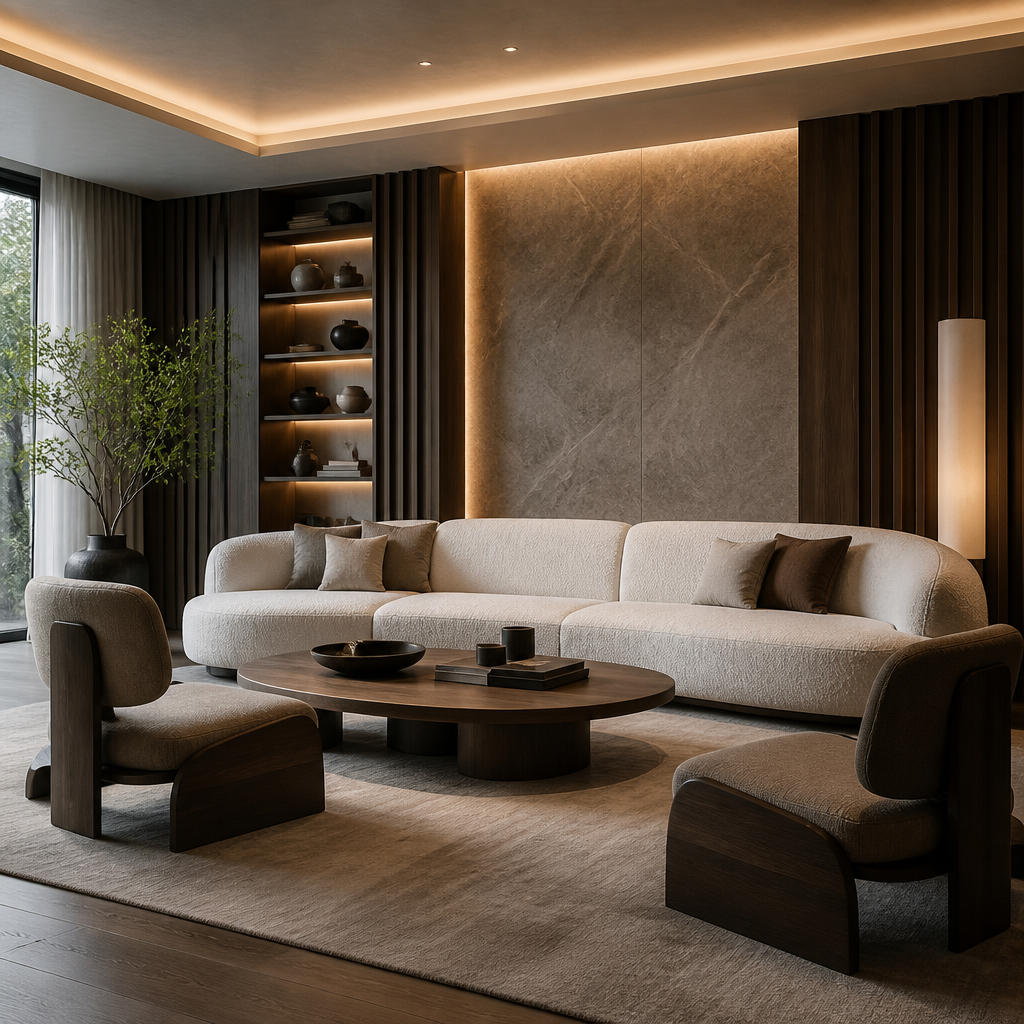
Why proportion matters in luxury interiors
Good proportion makes a room feel intentional before anyone notices individual objects. When furniture is too large, circulation becomes tense. When pieces are too small, the room feels underfurnished and disconnected. Luxury furniture solves this by treating the room as a complete composition rather than a collection of purchases.
The most successful interiors use relationships: seat height to table height, sofa depth to room width, cabinet height to ceiling height, and walkway space to daily movement. Perfect proportion is rarely about matching everything; it is about creating rhythm, hierarchy, and comfort.
That is why experienced designers test layouts in elevation, not only on a floor plan, before finalizing custom pieces.
The design elements that create balance
Scale
Scale is the first test. A generous sectional may suit an open living room, while a slender lounge chair protects a compact reading corner.
Silhouette
Curved arms, tapered legs, low backs, and clean profiles change how heavy a piece appears, even when measurements stay similar.
Visual weight
Dark finishes, thick bases, and dense upholstery feel grounded. Open legs, pale fabrics, glass, and slim frames feel lighter.
Craftsmanship
Accurate joinery, tailored seams, aligned grain, and measured padding keep forms crisp, preventing bulk from looking accidental.
Spacing: the quiet luxury most rooms miss
Spacing determines whether beautiful furniture can breathe. Leave enough room to walk around seating, open drawers fully, and pull dining chairs without colliding with walls or rugs. In luxury interiors, negative space is not emptiness; it is what allows material, form, and craftsmanship to be appreciated.
Materials and upholstery influence proportion
Materials affect perceived size. A marble-topped table can feel visually heavier than a timber or upholstered piece of similar dimensions. A velvet sofa absorbs light and appears rich and substantial, while linen, leather, or textured neutral fabric may read cleaner and lighter depending on the palette.
Luxury furniture uses these qualities deliberately. Contrast a substantial dining table with slimmer chairs, or soften a broad bed frame with rounded edges and layered textiles. The goal is not minimalism for its own sake, but controlled presence.
Common proportion mistakes to avoid
- Buying for showroom size instead of actual room dimensions.
- Choosing a coffee table that is too high, too low, or too far from seating.
- Placing many heavy pieces on one side of a room.
- Ignoring ceiling height when selecting cabinets, headboards, or chandeliers.
- Using matching sets that remove hierarchy and make the room feel flat.
- Forgetting that rugs, curtains, and lighting also change perceived scale.
An edge case appears in open-plan spaces, where one oversized piece may be useful for zoning. The key is to balance it with lighter silhouettes nearby and maintain clear circulation lines.
Room-by-room proportion guide
Living rooms
Anchor the room with seating scaled to conversation, not only television viewing. Pair a deeper sofa with slimmer side chairs, and keep tables easy to reach without crowding knees.
Dining rooms
The table should suit both daily use and hosting. Chairs need comfortable pull-out space, and the buffet or console should support service without blocking circulation.
Bedrooms
A bed is usually the dominant object, so its headboard height, nightstand width, and bench depth matter. Luxury proportion feels calm when storage is integrated rather than forced.
Offices and lounges
Desks, lounge chairs, and shelving must support posture and focus. Avoid pieces that look impressive but leave no comfortable legroom or surface space for real work.
Buyer checklist for proportionate luxury furniture
Before commissioning or purchasing, review the essentials:
- Measure room length, width, ceiling height, doorways, and lift access.
- Map circulation routes before deciding final furniture sizes.
- Compare seat, arm, table, and console heights together.
- Check visual weight, not only physical dimensions.
- Request upholstery, finish, and edge details that match the room mood.
- Confirm bespoke adjustments with drawings, samples, or professional guidance.
This is where a premium partner matters. MCasa can help translate a floor plan, lifestyle brief, and aesthetic direction into luxury furniture that feels tailored, balanced, and genuinely usable.
In short, perfect proportion comes from disciplined selection: the right dimensions, restrained detail, balanced materials, and furniture made for the room itself rather than around it alone.
FAQ: luxury furniture and proportion
Is bigger furniture always more luxurious?
No. Larger furniture can feel luxurious in the right room, but poor scale makes even premium pieces look awkward. Fit and comfort matter first.
Can small rooms use luxury furniture?
Yes. Choose refined silhouettes, multifunctional storage, tailored upholstery, and fewer pieces with stronger presence. Small spaces often benefit most from bespoke design.
How do I know if proportions are wrong?
Notice discomfort. If walking paths are tight, seating feels isolated, tables are hard to reach, or one piece dominates every view, the proportions need adjustment.