
The Short Answer: What Makes Furniture Timeless?
Furniture ages gracefully when its silhouette, proportions, construction, hardware, materials, and finish follow one coherent idea. The most enduring pieces are not necessarily plain; they simply give function and overall form priority over fashionable decoration. Clear junctions, comfortable edges, durable surfaces, and details scaled to the room help timeless custom furniture remain useful and visually relevant as interiors evolve.
For a piece developed around your space, explore MCASA’s custom furniture service. The following principles explain what to assess before approving a design.
Choose Clear Forms and Considered Details
A lasting design hierarchy is readable from across the room and rewarding at close range. First, resolve the outline, height, depth, leg or plinth treatment, and balance between solid and open areas. Then use seams, edge profiles, handles, and joints to reinforce that structure. A recessed pull, for example, can preserve a calm cabinet face while improving daily use. An oversized novelty handle may dominate the same cabinet and date sooner.
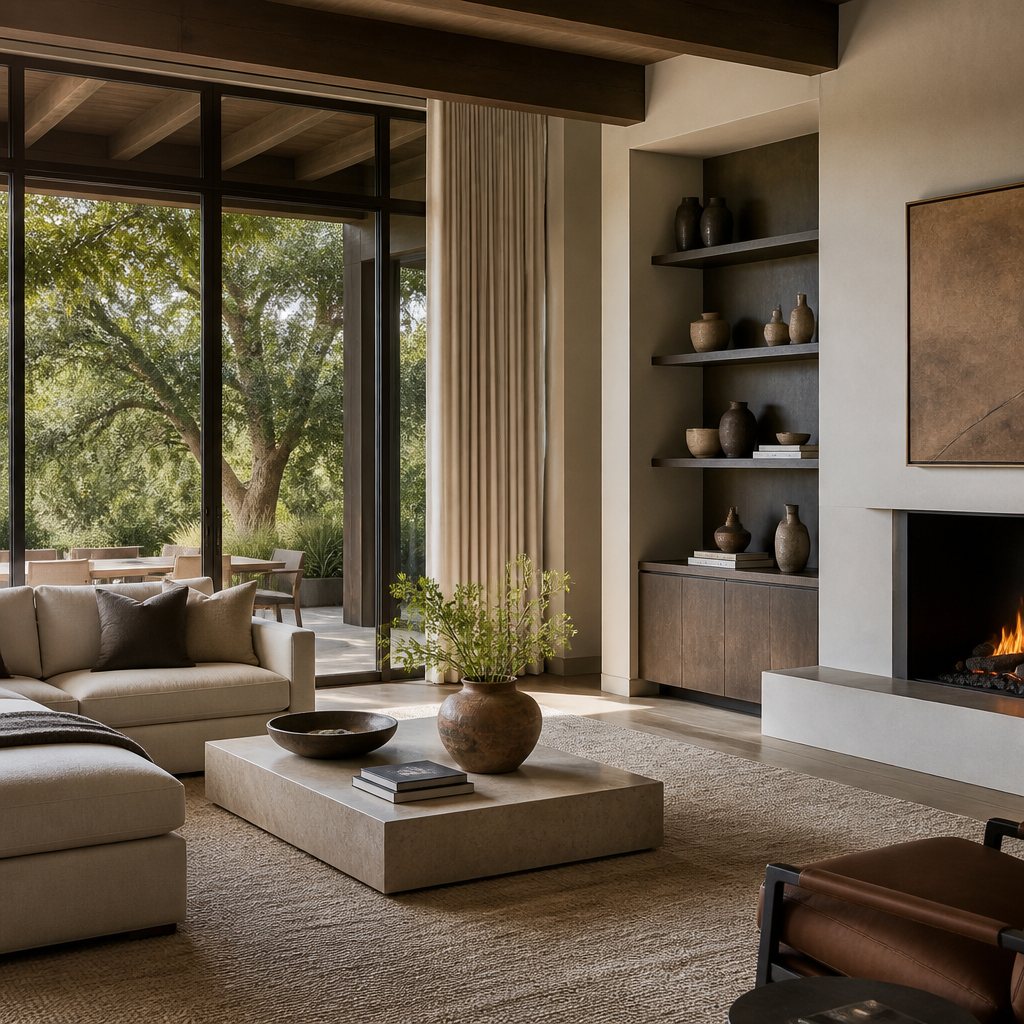
Before adding ornament, ask whether it improves function, proportion, craftsmanship, or visual rhythm. If removing it makes the piece clearer, it was probably unnecessary.
Details That Support Long-Term Appeal
Use this comparison to distinguish lasting design logic from choices driven mainly by a current look. No single style is timeless; consistency, usability, and context are the more reliable tests.
Design for the Surrounding Interior
Furniture does not age in isolation. Its scale should respond to wall dimensions, ceiling height, circulation, nearby openings, and major pieces. A low, broad console may suit a long wall but feel visually weak beneath tall architecture. Conversely, a deep cabinet can look composed in elevation yet obstruct an everyday route. Accurate measurements and ordinary patterns of use matter as much as presentation drawings.
Timelessness also changes with context. A calm modern room may favor flush fronts and quiet reveals, while a more decorative interior can support molded edges or expressive hardware. Neither approach is inherently more enduring. What matters is that detail, scale, and architecture speak the same visual language rather than imitate every new trend.
Select Materials and Finishes for Real Life
Materials influence both appearance and the way wear is perceived. Compare physical samples with flooring, stone, wall color, metalwork, and natural light at different times of day. Consider texture and reflection, not color alone. A restrained palette often makes grain, joinery, and craftsmanship easier to appreciate than several competing surfaces.
Graceful aging does not mean hiding every mark. On frequently touched areas, choose an edge profile and finish that can tolerate cleaning and expected contact. Place delicate surfaces away from impact zones, and avoid transitions where dirt can collect. When two materials meet, align the change with a door edge, joint, or functional division so it appears intentional.
Make Functional Details Count
Comfortable edges, purposeful handles, aligned joints, and controlled gaps create character through use. Evaluate them both close up and from across the room. A handle must suit the hand as well as the facade; a softened corner should feel pleasant without weakening a crisp silhouette. The best detail often improves visual clarity and daily interaction simultaneously.
A Practical Pre-Approval Checklist
Review the proposal against accurate measurements, room photographs, and a normal day’s activities. Look from more than the most attractive viewpoint, then record confirmed dimensions, finish selections, access requirements, and unresolved questions.
- Is the overall silhouette understandable before smaller details are noticed?
- Do height, depth, clearances, and storage functions fit the room and routine?
- Do joins, handles, edges, and material changes follow a consistent logic?
- Have finish samples been checked beside fixed surfaces in actual light?
- Can the piece enter the building and reach its intended position?
- Would removing one decorative element make the design stronger?
Use floor tape, samples, or a simple full-scale mock-up to test uncertain assumptions. These low-complexity checks can reveal awkward scale, blocked movement, inconvenient reach, or mismatched finishes before approval.
Frequently Asked Questions
What makes furniture look timeless rather than plain?
Timeless furniture has character, but proportion, material, and craftsmanship lead. A distinctive edge, handle, or junction stays relevant when it supports the whole form instead of competing with it.
Can decorative furniture age gracefully?
Yes. Decoration lasts when its scale and placement suit the architecture and remain subordinate to function. Molding, expressive hardware, or inlay can work when every element follows a clear hierarchy.
Should all furniture finishes exactly match?
No. Aim for compatibility in undertone, texture, sheen, and visual weight. Controlled contrast adds depth when transitions are deliberate and the overall palette remains easy to understand.
How can I judge a design before production?
Combine scaled drawings with room photographs, samples, floor tape, and mock-ups. Test doors, drawers, reach, circulation, viewing angles, and delivery access rather than judging only a polished elevation.
Read Also
Create Furniture with Lasting Clarity
Strong furniture begins with measured space, a clear hierarchy, and details that earn their place. Review MCASA’s gallery for visual context, then use the custom furniture service to discuss proportions, materials, practical requirements, and a design that feels appropriate now and remains coherent as your interior changes.