
Direct Answer: Luxury Furniture Creates Better Living
Luxury Furniture elevates modern living spaces by improving proportion, comfort, material richness, visual continuity, and usability. The best pieces make a room feel intentional, personal, and effortless. When Custom Furniture is planned around architecture, lifestyle, and brand, it turns a polished interior into one that works beautifully daily.
For homeowners, designers, architects, developers, and hospitality clients, luxury is disciplined alignment of design, craftsmanship, materials, and experience.
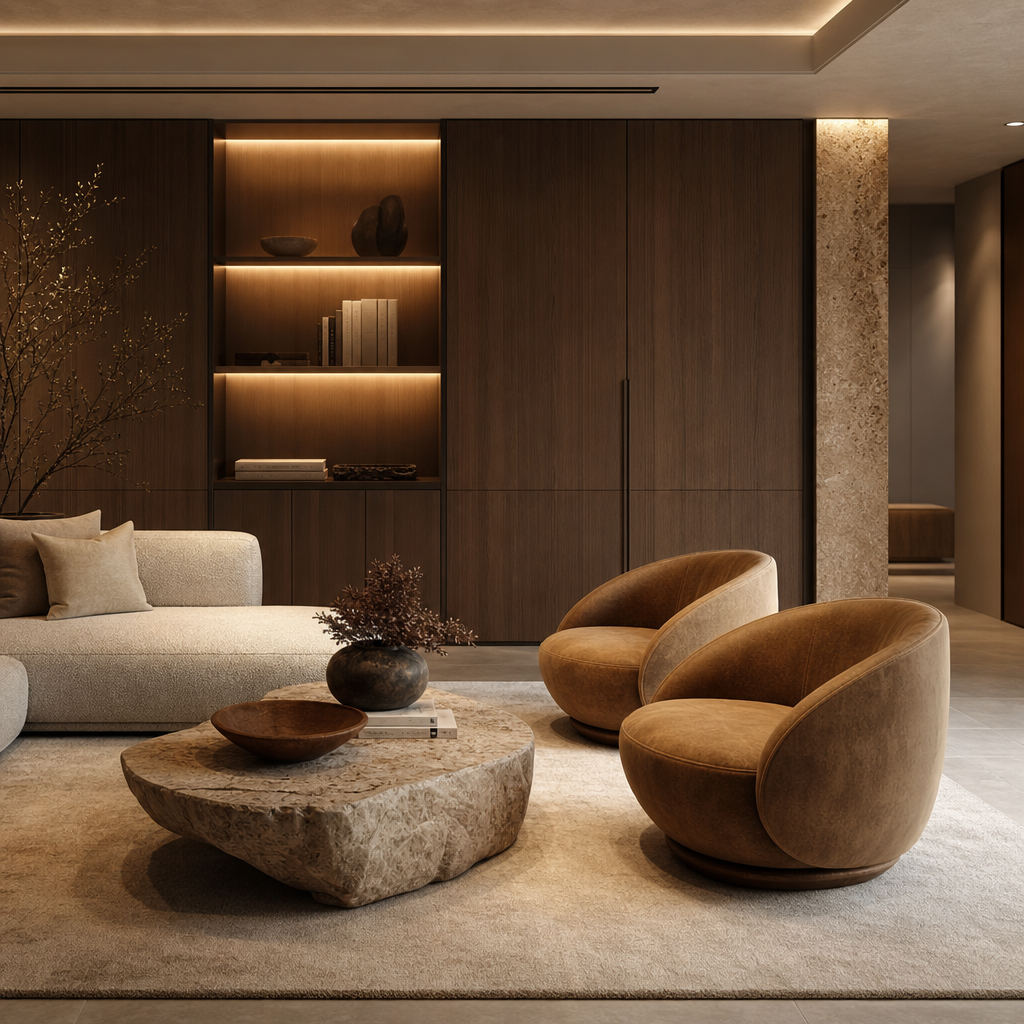
Why Proportion and Scale Matter First
Even the finest sofa feels wrong if scale fights the room. Proportion describes relationships between pieces; scale describes furniture against architecture. In apartments, slim profiles preserve air and movement. In villa lobbies or executive lounges, broader tables, taller seating, and generous groupings may be needed to match volume and presence.
Practical scale checks
- Keep main walkways clear for comfortable passing.
- Match coffee table height to seat height.
- Use fewer larger pieces, not many fillers.
- Confirm sightlines to views, art, screens, and service zones.
Material Quality: The Quiet Signature of Luxury
Material quality is where Luxury Furniture reveals itself over time. Solid construction, selected veneers, premium upholstery, precise joinery, and resilient finishes create tactile depth. Drawers glide smoothly, chairs feel steady, fabric sits cleanly across curves, and surfaces age with character rather than looking quickly tired.
For demanding residential and commercial interiors, materials should suit use, climate, maintenance, and mood. Hospitality may need performance fabric; homes may prioritize hand-feel detailing.
Comfort Makes Modern Design Livable
Modern interiors can become cold when visual purity outweighs human experience. Comfort returns luxury to the body. Seat depth, cushion density, back angle, arm height, and texture affect enjoyment. In homes, offices, restaurants, and lounges, comfort shapes conversation, dwell time, and the feeling of relaxed hospitality.
Visual Continuity, Lighting, and Color Coordination
Luxury furniture should create rhythm across a space. Continuity comes from repeated materials, related silhouettes, consistent metal finishes, and a controlled color story. Matching everything feels flat. Instead, mix contrast with restraint, such as walnut, stone, bronze, and warm neutral upholstery repeated thoughtfully.
Lighting completes the composition. Directional light reveals texture on leather, wood, and fabric, while ambient light softens edges. Coordinate colors with daylight, evening scenes, flooring, walls, art, and greenery before approving finishes.
Statement Pieces Versus Supporting Pieces
A successful luxury interior needs hierarchy. Statement pieces attract attention: a sculptural chair, oversized dining table, dramatic reception desk, or custom bedhead. Supporting pieces provide calm, function, and balance. If everything shouts, nothing sings.
How to balance them
- Choose one main focal point per zone.
- Let secondary furniture echo materials without copying shapes.
- Keep decorative objects edited, especially around bold furniture.
- Use custom dimensions when standard sizes disrupt symmetry.
Room Planning Before Buying
The costliest mistake is buying beautiful pieces before the plan is clear. Start with circulation, conversation, storage, views, and operational needs. Homes may need flexible entertaining zones; lobbies need intuitive guest flow; boardrooms need power, privacy, and camera-friendly sightlines.
Early planning protects budget. When proportions, finishes, and functions are defined, Custom Furniture can solve awkward corners, unusual dimensions, storage needs, and branding requirements.
Where Custom Furniture Adds the Most Value
Custom Furniture is powerful when a project requires precision. Wardrobes, banquettes, wall panels, display units, dining tables, executive desks, counters, beds, and lounge seating can be tailored to architecture and use. Commercial settings gain brand alignment without generic pieces.
MCASA works as a premium custom furniture partner for high-end residential and commercial interiors, supporting homeowners, interior designers, architects, developers, hospitality teams, and business clients who want refined furniture made around their space, not forced into it.
For design inspiration, view MCASA’s latest work and styling ideas on Instagram.
Long-Term Value and Maintenance
Luxury Furniture can offer long-term value because it is chosen with purpose, made with better materials, and designed beyond seasonal trends. Value includes comfort, daily satisfaction, architectural fit, and the ability to refresh upholstery or finishes instead of replacing an entire piece prematurely.
Maintenance should be discussed during specification. Ask how surfaces are cleaned, how fabrics handle sunlight, and whether hardware can be serviced. Luxury considers ownership too.
Common Design Mistakes to Avoid
- Buying by appearance alone: comfort and scale matter.
- Overmatching finishes: identical woods, metals, and fabrics feel flat.
- Skipping lighting plans: premium textures need controlled light.
- Ignoring maintenance in heavy-use residences or commercial areas.
- Filling every wall: negative space creates sophistication.
- Choosing trends over architecture, proportion, and authentic lifestyle.
Practical Checklist for Selecting Luxury Furniture
- Measure rooms, doorways, lifts, stairs, and installation access.
- Define focal points, traffic paths, storage, and seating capacity.
- Select materials for touch, durability, cleaning, and climate.
- Coordinate furniture with lighting, flooring, walls, and art.
- Decide which pieces should be custom or quietly supportive.
- Request drawings, finish samples, and construction details before approval.
- Plan maintenance from the beginning, especially for commercial use.
FAQs About Luxury Furniture
Is luxury furniture always custom?
No. Ready-made pieces can be excellent; Custom Furniture is best when dimensions, finishes, functions, or architectural integration need exact control.
What makes a piece worth investing in?
Check comfort, joinery, material suitability, finish quality, proportion, maintenance, and whether the design will suit the space after trends change.
Can luxury furniture be minimalist?
Yes. Minimalist luxury relies on fewer pieces, better materials, calm lines, and precise custom dimensions that feel effortless, not empty.
Summary and Next Step
Luxury Furniture elevates rooms when proportion, comfort, materials, lighting, and planning align. Every piece should earn its place.
Create a Space That Feels Exceptionally Yours
Plan your next refined project with MCASA.