
A beautiful home is one thing, but a home that feels like a natural extension of yourself is something else entirely. The most successful interior designs are not those that slavishly follow a trend, but those that are deeply rooted in the daily lives, habits, and aspirations of the people who live there. This is the core principle of lifestyle-centric design.
Designing a custom interior that truly matches your lifestyle means moving beyond aesthetics alone. It’s about creating a functional, comfortable, and intuitive environment that supports your daily routines, enhances your well-being, and makes your life easier and more enjoyable. So, how do you translate your unique way of living into a cohesive design?
Step 1: The Lifestyle Audit – Ask the Right Questions
Before you even think about color palettes or furniture styles, the most crucial step is a thorough self-assessment. Be honest about how you and your family actually live. This introspection is the foundation upon which a truly personal design is built.
- How do you spend your mornings? Is it a frantic rush out the door, or a slow, mindful routine with coffee and a book? This will influence the design of your kitchen, entryway, and bedroom. A well-organized mudroom or an efficient coffee nook could be life-changing.
- What is the primary function of your main living area? Is it a formal space for entertaining guests, a cozy hub for family movie nights, or a multi-functional zone for work, play, and relaxation? The answer dictates your furniture layout, seating choices, and storage needs.
- Who lives in the home? A home designed for a busy professional couple will look very different from one designed for a family with young children or a retiree who enjoys hosting grandchildren. Consider the needs of every member, including pets.
- What are your hobbies and passions? If you’re an avid reader, a custom-built library or a comfortable reading nook is essential. If you love to cook, a highly functional kitchen with ample counter space is a priority. For the art collector, strategic lighting and wall space are key.
- What are your current “pain points”? Identify what doesn’t work in your current space. Is it a constant lack of storage? Poor lighting in your home office? An awkward flow between the kitchen and dining area? A custom design is your opportunity to solve these problems for good.
Step 2: Translating Your Lifestyle into Design Choices
Once you have a clear picture of your lifestyle, you can start making informed design decisions. Here’s how different lifestyles translate into specific interior elements:
For the Social Entertainer:
- Focus: Open-concept layouts that connect the kitchen, dining, and living areas to encourage social flow.
- Key Elements: A large kitchen island with bar seating, durable surfaces like quartz, a variety of comfortable seating options, and layered, dimmable lighting to create ambiance. A custom bar or dedicated beverage station can elevate the experience.
For the Family with Young Children:
- Focus: Durability, smart storage, and designated zones for different activities.
- Key Elements: Performance fabrics on sofas that are stain-resistant and easy to clean. Abundant, cleverly integrated storage (like built-in window seats with drawers or custom media units) to hide away toys. Soft-cornered furniture and open floor space for safe play.
For the Busy Professional or WFH Warrior:
- Focus: Creating a calm, organized, and highly functional environment that separates work and life.
- Key Elements: A dedicated home office with ergonomic furniture and custom-built storage. A serene, clutter-free bedroom that promotes rest. Smart home technology for efficiency and a neutral, calming color palette to reduce stress.
For the Homebody and Wellness Enthusiast:
- Focus: Comfort, tranquility, and creating a personal sanctuary.
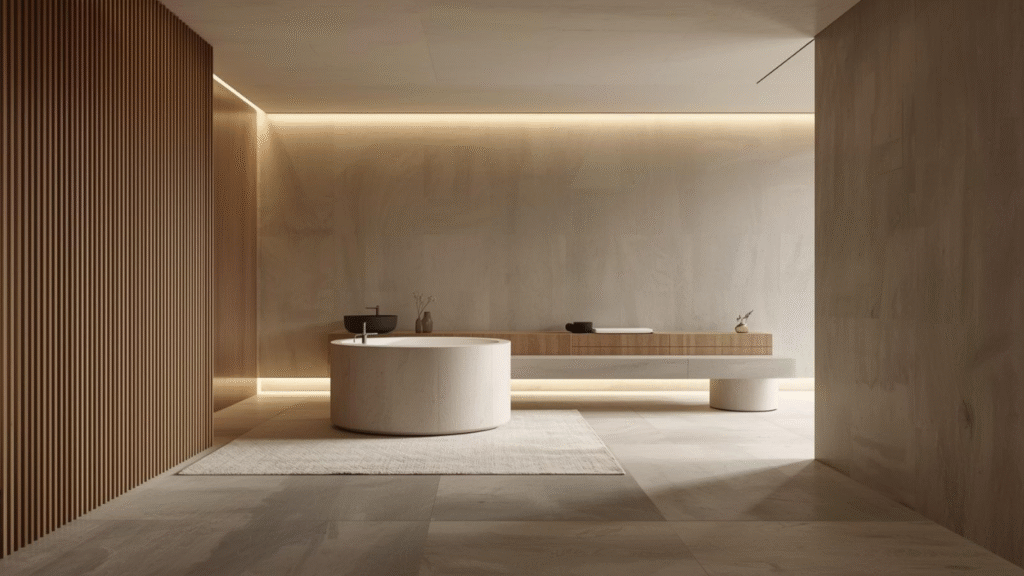
- Key Elements: Deep, plush sofas with soft textiles like boucle or velvet. A spa-like bathroom with a soaking tub and natural materials. Spaces dedicated to relaxation, such as a yoga corner or a quiet reading nook with ample natural light.
Step 3: The Power of Customization
This is where a one-size-fits-all approach fails. Your unique lifestyle requires unique solutions, and this is achieved through custom-made elements. Off-the-shelf furniture may not fit your space perfectly or meet your specific storage needs. Customization allows you to:
- Maximize Every Inch: Custom cabinetry and built-in wardrobes are designed to fit your room’s exact dimensions, eliminating wasted space.
- Solve Specific Problems: A bespoke media unit can be designed to perfectly house your entertainment system while hiding unsightly cables.
- Ensure Perfect Ergonomics: A custom kitchen is designed around your height and cooking style, making it more comfortable and efficient to use.
Conclusion: Craft a Home That Truly Works for You
Designing an interior that aligns with your lifestyle is the ultimate form of personal luxury. It’s about creating a home that not only looks stunning but also functions flawlessly for you and your family every single day. This thoughtful process turns a simple living space into a supportive and enriching environment.
The journey of translating your unique lifestyle into a beautifully designed reality requires expertise, vision, and meticulous planning. To ensure your home is a perfect reflection of you, it’s best to partner with professionals who specialize in creating bespoke living spaces.
To explore how expert design can craft an interior perfectly tailored to your life, connect with the creative team at MCASA.