
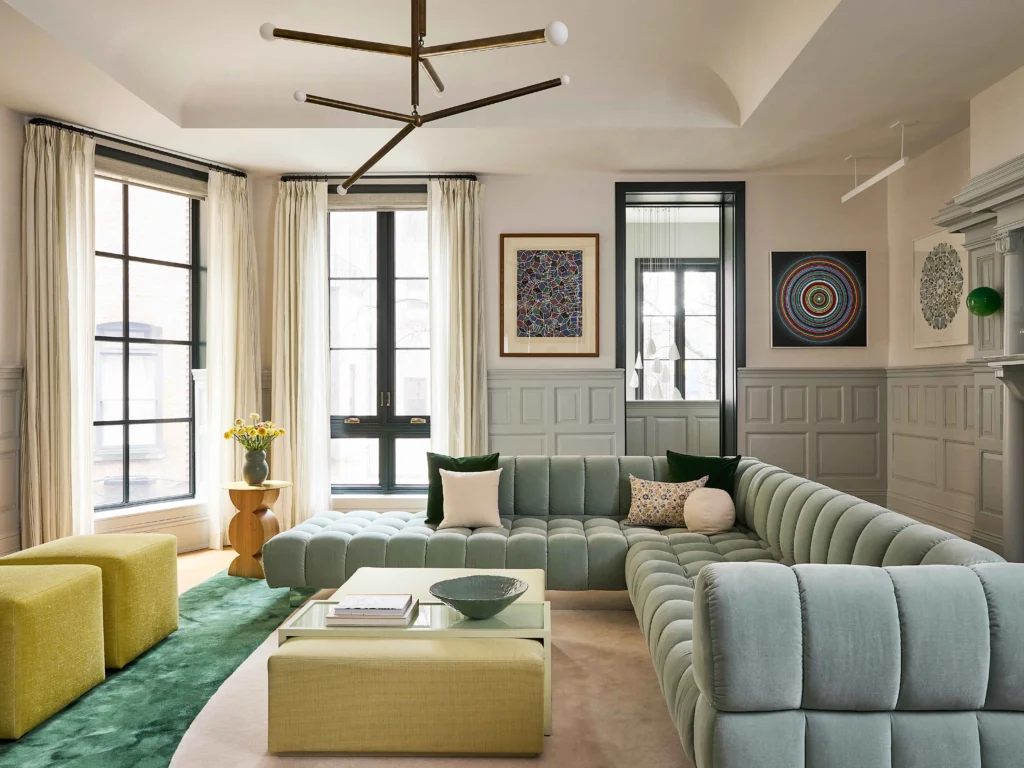
Choosing the right custom interior design is one of the most important decisions when building or renovating a home. Unlike ready-made concepts, custom interior design is tailored to your lifestyle, personality, and functional needs. A well planned design does more than beautify a space it enhances comfort, productivity, and long-term property value.
Here’s a complete guide to help you make the right decision.
1. Define Your Lifestyle and Needs
Before choosing a design style, understand how you use your space. Ask yourself:
-
Do you work from home?
-
Do you host guests frequently?
-
Do you prefer open spaces or private corners?
-
Do you need extra storage?
A custom interior design should adapt to your daily routines. For example, families with children may prioritize durability and safety, while professionals might focus on elegant yet functional workspaces.
2. Identify Your Design Style
Every homeowner has a unique taste. Some prefer:
-
Modern minimalist
-
Scandinavian
-
Industrial
-
Contemporary luxury
-
Classic elegance
Collect inspiration from Pinterest, Instagram, or interior magazines. Create a mood board that reflects your preferred colors, materials, lighting, and furniture shapes.
The key is consistency. Mixing too many styles can make a space feel chaotic.
3. Focus on Functionality First
Beautiful interiors are important but functionality comes first.
Consider:
-
Smart storage solutions
-
Proper lighting placement
-
Efficient furniture layout
-
Air circulation and natural light
A good custom interior designer will balance aesthetics with practical design, ensuring your space remains comfortable for years to come.
4. Choose Quality Materials
Custom interior design allows you to select premium materials. Always evaluate:
-
Wood type and durability
-
Finishing quality
-
Fabric strength
-
Hardware quality
Investing in quality materials reduces maintenance costs and increases the lifespan of your interior.
5. Work With the Right Interior Designer
Choosing the right designer is crucial. Look for:
-
Strong portfolio
-
Clear communication
-
Transparent pricing
-
Realistic timeline
-
Positive client testimonials
A professional designer will understand your vision and translate it into a cohesive design concept that fits your budget.
6. Set a Clear Budget
Custom design does not always mean expensive. It means tailored.
Create a budget that includes:
-
Design fees
-
Material costs
-
Labor
-
Contingency funds (10–15%)
Communicate your budget clearly from the beginning to avoid misunderstandings.
7. Think Long-Term
Trends change every year. Instead of focusing only on what’s popular today, think about longevity. Choose timeless elements for major pieces (flooring, cabinets, walls) and use décor items for trend experimentation.
Choosing the right custom interior design requires careful planning, clarity of needs, and collaboration with experienced professionals. When done correctly, it transforms your house into a personalized sanctuary that reflects who you are.
Invest wisely, plan strategically, and design intentionally.