
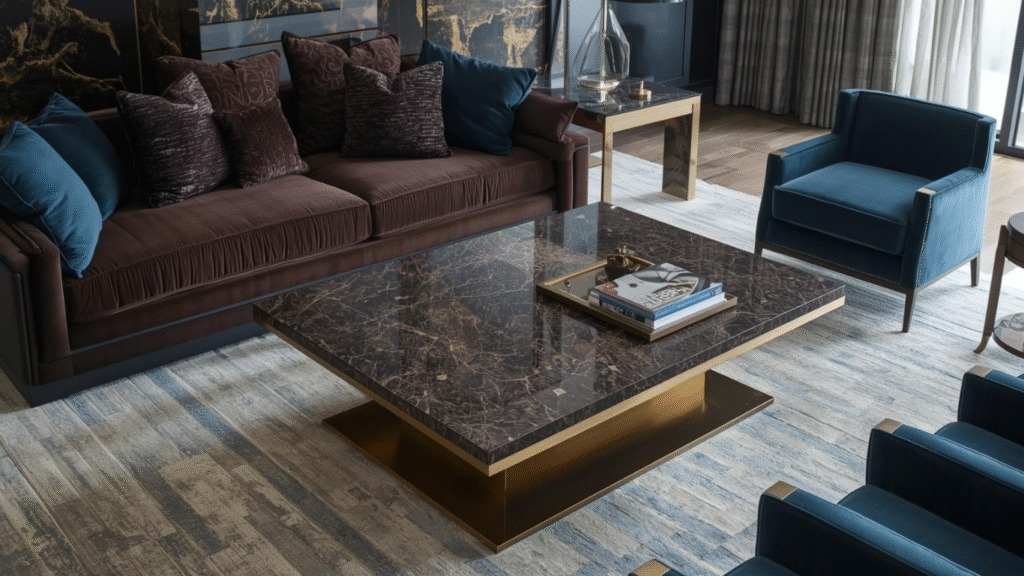
Tips for Choosing Colors and Materials for Custom Interiors
The selection of colors and materials is the soul of any custom interior design project. This is where a concept transforms from a drawing on paper into a living, breathing space that you can see, touch, and feel. These choices define the atmosphere, influence your mood, and determine the long-term durability and beauty of your home.
Navigating this vast and exciting landscape can be daunting. This guide provides expert tips to help you confidently choose a cohesive and stunning palette of colors and materials for your bespoke space.
1. Start with a “Whole Home” Vision
Before falling in love with a single paint swatch or marble sample, take a holistic view. Your home should feel like a unified story, not a collection of disconnected rooms.
- Create a Cohesive Flow: Decide on an overarching mood or theme. Do you want a serene, coastal feel? A warm, earthy retreat? An urban, minimalist sanctuary? This core concept will guide every subsequent choice.
- The 60-30-10 Rule: A classic design principle for a balanced color scheme. Use a dominant color for 60% of the space (walls, large sofas), a secondary color for 30% (curtains, accent chairs), and an accent color for the remaining 10% (cushions, art, decor). This creates rhythm and visual interest without chaos.
2. Let Light Guide Your Color Choices
Color is a product of light. The same hue can look drastically different in various lighting conditions.
- Understand Your Light Source:
- North-Facing Rooms: Receive cool, indirect light. Warm up these spaces with hues in the yellow, red, or warm grey families.
- South-Facing Rooms: Bathed in warm, direct light throughout the day. These rooms can handle cooler colors like blues, greens, and cool greys without feeling cold.
- Test, Test, Test: Always paint large sample swatches (at least 2×2 feet) on different walls in the room. Observe how the color changes from morning to night under both natural and artificial light.
3. Build a Layered Material Palette
A sophisticated interior relies on the contrast and harmony of different textures. Think of your material palette in three layers:
- Foundation Materials: These are the large, permanent surfaces. This includes wood for flooring, stone for countertops, and tiles for bathrooms. They should be timeless, durable, and form your neutral base.
- Secondary Materials: These add character and are often used for cabinetry, wall paneling, and built-in furniture. Think of the grain of a custom oak bookshelf or the finish on kitchen cabinets.
- Accent & Textural Materials: This is where you introduce personality and tactile comfort. This layer includes fabrics for upholstery and curtains (linen, velvet, leather), metallic finishes (brushed brass, matte black), and decorative elements like handmade tiles or a rattan light fixture.
4. Prioritize Durability and Lifestyle
Beauty must be paired with practicality. Your material choices must suit how you live.
- High-Traffic Areas (Entryways, Kitchens): Opt for hard-wearing materials like porcelain tile, quartz countertops, and performance fabrics that resist stains and fading.
- Calm Sanctuaries (Bedrooms, Studies): Here, you can prioritize softer, more delicate materials like pure wool carpets, silk curtains, and natural linens.
- Family-Friendly Considerations: If you have children or pets, scratch-resistant laminate flooring and crypton fabric for sofas and chairs can be lifesavers while maintaining a high-end look.
5. Create Focal Points with Statement Materials
While cohesion is key, a well-placed statement piece can elevate an entire room. Use a unique or bold material to draw the eye and create a sense of drama.
- The Feature Wall: A wall clad in a dramatic marble slab, richly veined and bookmatched, becomes an instant piece of art.
- Custom Furniture: A dining table made from a single, live-edge slab of wood can be the breathtaking centerpiece of your home.
- Unexpected Accents: Use a striking, hand-painted tile as a backsplash in a kitchen or a niche in a bathroom to inject a burst of personality.
6. Trust the Experts for a Flawless Finish
The synergy between color and material is a nuanced art. A professional designer brings an trained eye for how different textures interact with light and color, ensuring the final result is harmonious and of the highest quality.
This is where a partnership with a firm like Mcasa becomes invaluable. Our design process is built on curating perfect palettes. We have access to exclusive material libraries and the expertise to guide you in selecting everything from the perfect white paint to the most durable yet beautiful fabric for your lifestyle. We handle the complex coordination, ensuring your vision for a custom interior is executed with precision and artistry.
Feeling inspired but unsure where to start with your color and material selections? Let us guide you through the process. Explore our portfolio and contact us for a consultation to begin crafting your perfect palette at https://mcasa.id/.