
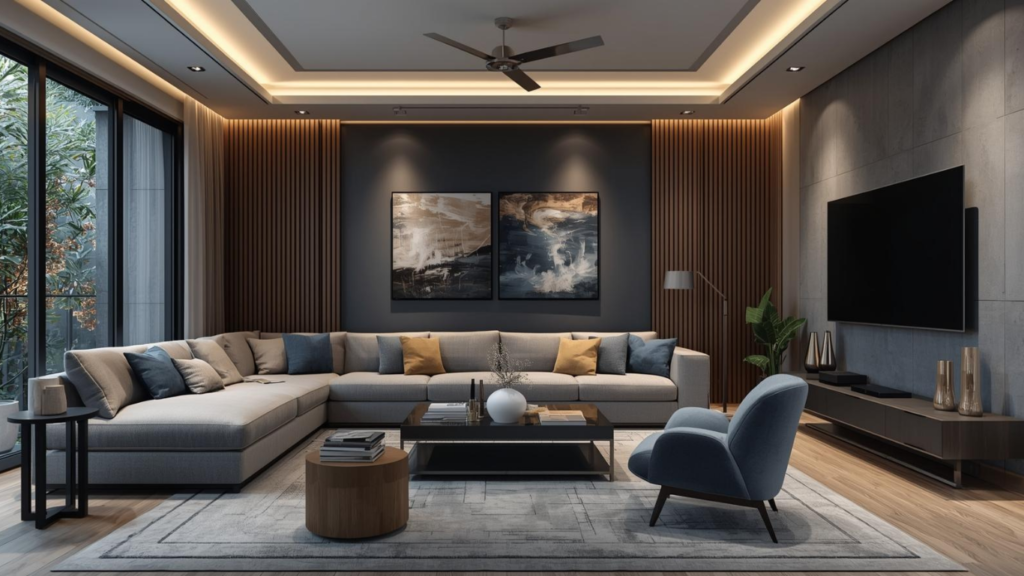
The living room is one of the most important spaces in any home. It is where families gather, guests are welcomed, and daily activities take place. Because of this, the design of a living room plays a crucial role in shaping comfort, functionality, and overall lifestyle. Custom interior design has the power to completely transform living rooms from ordinary spaces into personalized, high-performing environments.
This article explains how custom interiors redefine living rooms through thoughtful planning, tailored solutions, and long-term value.
The Difference Between Standard and Custom Living Room Interiors
Standard living room designs often rely on mass-produced furniture and generic layouts. While they may look appealing at first, they rarely address specific needs, spatial challenges, or lifestyle habits.
Custom interiors, on the other hand, are designed from the ground up. Every element—from layout to furniture dimensions—is tailored to the space and the people who use it. This approach results in a living room that feels natural, efficient, and uniquely personal.
Custom Design Starts with Understanding Lifestyle
One of the most impactful aspects of custom interior design is its focus on lifestyle. A living room used mainly for entertaining guests requires a different layout than one designed for family relaxation or media consumption.
Custom interiors consider:
-
Daily routines
-
Social habits
-
Storage needs
-
Comfort preferences
By understanding how the living room is used, designers can create solutions that enhance everyday living rather than just visual appeal.
Optimizing Space Through Custom Layout Planning
Layout is a key factor in how a living room feels and functions. Poor layouts can make even large rooms feel cramped, while well-designed spaces feel open and balanced.
Custom layout planning focuses on:
-
Improving circulation flow
-
Eliminating unused or awkward areas
-
Defining functional zones without clutter
Through custom planning, living rooms become more spacious, organized, and intuitive to use.
Bespoke Furniture That Fits Perfectly
One of the most visible transformations comes from custom furniture. Unlike ready-made pieces, bespoke furniture is designed to match the exact dimensions of the living room.
Seating Designed for Comfort
Custom sofas and chairs are built based on seating preferences, room scale, and usage patterns. This ensures better ergonomics, comfort, and visual balance.
Storage That Enhances Aesthetics
Custom shelving, cabinets, and TV units provide storage without overwhelming the space. Hidden compartments and integrated designs keep the living room tidy and elegant.
Improved Functionality Through Tailored Solutions
Custom interiors solve common living room challenges such as lack of storage, poor lighting, or inefficient layouts.
Examples of functional improvements include:
-
Built-in storage to reduce clutter
-
Custom media units to manage electronics
-
Flexible furniture for multi-purpose use
These solutions improve daily comfort while maintaining a clean and cohesive design.
Enhancing Visual Identity and Style Consistency
Custom interiors create a strong visual identity by ensuring consistency across materials, colors, and furniture styles. This cohesion gives the living room a polished and professional look.
Custom design allows:
-
Controlled color palettes
-
Harmonized textures and finishes
-
Balanced proportions across the space
The result is a living room that feels intentional and well-curated.
Lighting Design That Transforms Atmosphere
Lighting plays a major role in transforming living rooms. Custom lighting design enhances mood, highlights features, and improves usability.
Custom lighting often includes:
-
Ambient lighting for overall brightness
-
Accent lighting for focal points
-
Task lighting for functional areas
With proper lighting, the living room becomes more inviting, comfortable, and visually dynamic.
Personalization That Reflects Identity
One of the most meaningful transformations of custom interiors is personalization. Living rooms become an expression of the homeowner’s taste, interests, and personality.
Personalized elements may include:
-
Custom wall displays
-
Artwork integration
-
Tailored shelving for collections
-
Unique furniture finishes
These details create emotional connection and make the living room truly feel like home.
Comfort as a Core Design Element
Custom interior design prioritizes comfort alongside aesthetics. Furniture dimensions, material choices, and layout planning are all adjusted to support relaxation and usability.
This focus ensures:
-
Comfortable seating arrangements
-
Soft and inviting textures
-
Balanced spacing for movement
A transformed living room should feel as good as it looks.
Long-Term Value and Durability
Custom living room interiors are built with longevity in mind. High-quality materials and thoughtful craftsmanship result in spaces that age gracefully.
Benefits of long-term custom design include:
-
Reduced need for renovations
-
Increased property value
-
Timeless aesthetic appeal
Custom interiors are an investment in both lifestyle and property.
Emotional Impact of a Transformed Living Room
Beyond function and appearance, custom interiors have a strong emotional impact. A well-designed living room promotes relaxation, social interaction, and a sense of belonging.
When a space aligns with personal needs and preferences, it naturally enhances quality of life.
Conclusion
Custom interior design transforms living rooms by aligning space, function, and personal identity. Through tailored layouts, bespoke furniture, cohesive design elements, and thoughtful lighting, living rooms evolve into comfortable, functional, and visually refined spaces.
Rather than adapting to a standard design, custom interiors allow the living room to adapt to you—creating a space that truly supports how you live, relax, and connect.