
Custom Furniture for Living, Dining, and Bedroom Spaces
Custom Furniture is furniture designed for your exact room, lifestyle, measurements, and visual direction. For living, dining, and bedroom spaces, it delivers better fit, clearer circulation, smarter storage, and a more cohesive premium interior than standard ready made pieces.
MCASA works as a premium custom furniture partner for refined homes, designer led residences, architectural projects, developments, hospitality environments, and commercial interiors. The goal is not only a beautiful object, but furniture that feels natural in daily use.
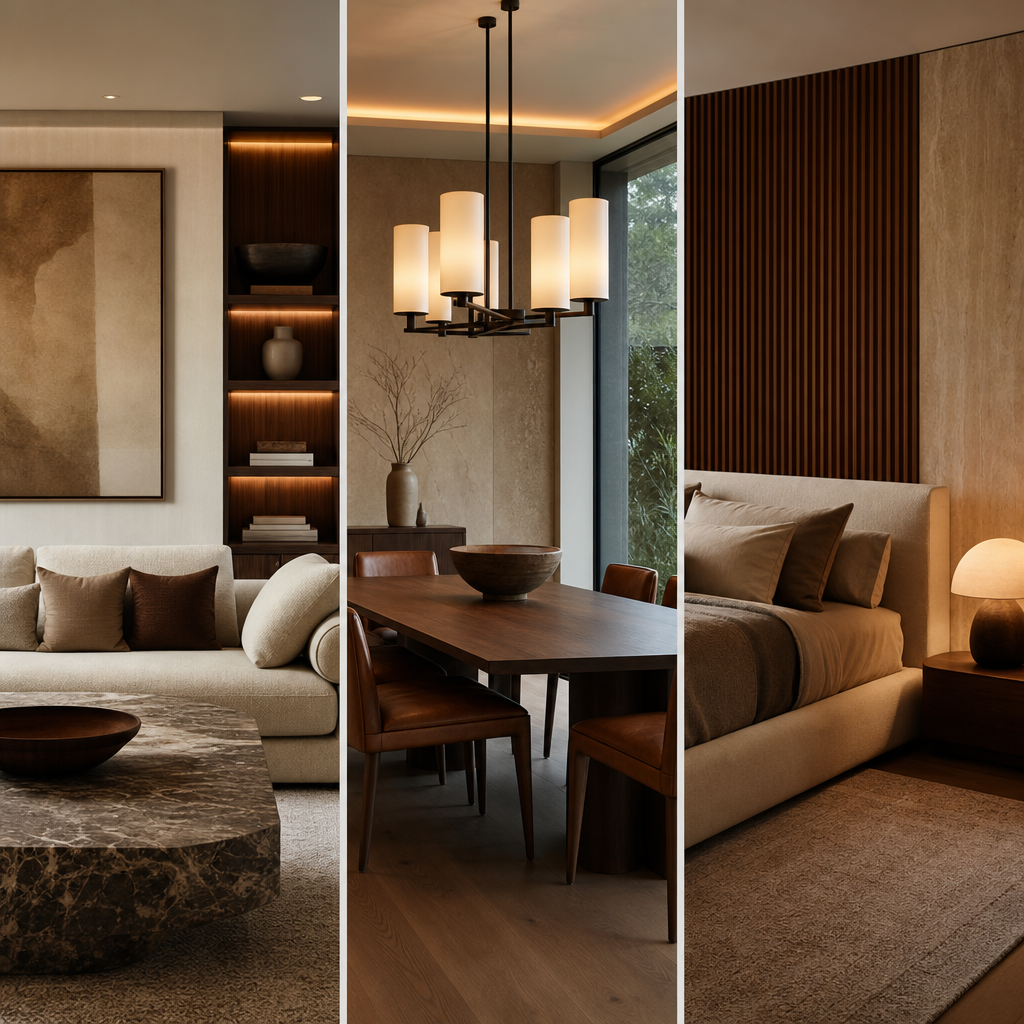
Planning Custom Furniture Before Style
Begin with the room, not the catalogue. Measure wall lengths, ceiling height, door swings, windows, columns, sockets, lighting points, and existing built in elements. Then map how people enter, sit, serve, walk, open drawers, and store everyday items.
Use masking tape to test footprints before confirming dimensions. Comfortable circulation around sofas, dining chairs, beds, and wardrobes prevents a luxurious piece from becoming an obstacle. In compact rooms, one precise multifunctional piece often works better than several small pieces.
Living Room Custom Furniture
The living room sets the tone for the whole interior. Custom Furniture helps balance comfort, display, media needs, and storage in apartments, villas, private lounges, show units, and hospitality reception areas.
Tailored Sofas and Lounge Chairs
Define posture first. Deep sofas suit relaxed lounging; shallower seats support conversation and formal hosting. Consider seat depth, arm height, cushion firmness, chaise direction, modularity, and upholstery. Lounge chairs may contrast in shape, but their seat height should still relate to the sofa and coffee table.
Consoles and Storage
Media consoles should hide cables, allow equipment ventilation, and align with viewing angles. Closed cabinets control daily clutter; open shelves suit curated objects. For long walls, combine doors, niches, and negative space so storage feels architectural instead of bulky.
Dining Space Custom Furniture
Dining furniture must look composed when empty and perform well when every seat is occupied. A custom table can match guest numbers, room length, lighting placement, and serving habits without overwhelming circulation.
Dining Tables and Chairs
Choose shape around movement and conversation. Rectangular tables suit longer rooms; round or oval tables soften paths and encourage equal eye contact. Chair ergonomics matter: seat depth, back angle, arm clearance, upholstery texture, and weight all influence comfort.
Sideboards for Serving Storage
Sideboards organize tableware, linens, bar accessories, and serving pieces. Their height should support plating without blocking art or windows. In narrow dining rooms, sliding or push latch doors reduce interference with chairs.
Bedroom Custom Furniture
A bedroom should feel calm, proportional, and organized. Custom Furniture is especially valuable when standard beds, wardrobes, or bedside tables waste corners, conflict with windows, or make the room visually heavy.
Beds Headboards and Bedside Tables
Start with mattress size, then design the frame, headboard, and bedside tables as one composition. A tall headboard creates hotel style presence; a low headboard suits minimalist architecture. Bedside tables should reflect real habits: books, devices, water, lamps, controls, or concealed charging.
Wardrobes Benches and Dressing Areas
Plan wardrobes from the inside out. Count hanging garments, folded items, shoes, bags, accessories, luggage, and seasonal pieces. Benches at a bed end or dressing area add comfort, but confirm drawers, hinged doors, and walkways still operate easily.
Materials Color and Proportion
Premium interiors depend on coordination, not identical finishes. Combine wood tones, stone, metal, glass, fabric, leather, and texture with restraint. Repeat one or two cues across rooms, such as a metal detail, rounded corner, or consistent handle profile.
Proportion is the quiet difference between ordinary and Luxury Furniture. Each piece should relate to ceiling height, rug size, lighting scale, openings, and architectural weight. Dark finishes can ground large rooms; lighter palettes can keep compact rooms open.
Lifestyle Needs and Project Planning
Clarify who uses the space and how. Families may need resilient upholstery, rounded corners, and concealed storage. Entertainers may prefer generous serving surfaces. Hospitality and commercial clients may prioritize brand consistency, frequent use, maintenance access, and repeatable specifications.
Share floor plans, reference images, finish preferences, appliance dimensions, and priority problems early. MCASA can then help translate the brief into scale, detailing, construction logic, and a cohesive furniture schedule.
Common Mistakes to Avoid
- Choosing style before measuring.
- Ignoring door swings, chair pullback, curtain stacks, and lift access.
- Overfilling rooms with too many custom items.
- Selecting materials without considering cleaning routines.
- Designing deep storage without internal organization.
- Treating living, dining, and bedroom pieces as unrelated.
The best custom work solves layout problems first, then expresses taste through refined detail.
Quick Custom Furniture Checklist
Before your consultation, prepare:
- Accurate room measurements and photos.
- Fixed obstacles, sockets, switches, windows, and doors.
- Required storage contents for each piece.
- Preferred posture, comfort level, and usage frequency.
- Finish references coordinated with floors, walls, lighting, and art.
- Questions about feasibility, maintenance, and future flexibility.
FAQs About Custom Furniture
Is custom furniture only for large homes?
No. It is often most useful in compact apartments, unusual layouts, and rooms with awkward corners, because every dimension can be planned intentionally.
How should I brief a custom furniture partner?
Explain the room’s function, storage needs, comfort expectations, style references, and constraints. Bring measurements and photos so the designer can ask better questions.
Can custom pieces coordinate with existing Luxury Furniture?
Yes. A careful palette of proportion, finish, and detail can connect new pieces with existing investments without making the room feel overly matched.
Plan Your Custom Furniture Project
Discuss your living, dining, bedroom, hospitality, or commercial brief with MCASA.