
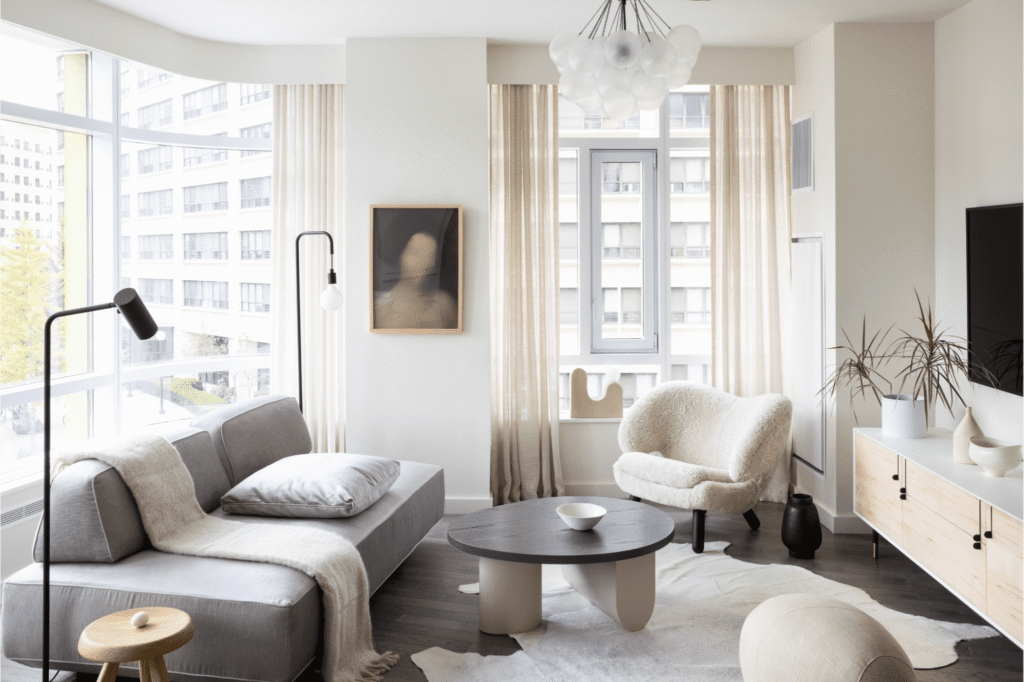
Designing a living room in a small space can be challenging, but with the right layout ideas, even a compact room can feel comfortable, stylish, and functional. A well-planned living room layout not only maximizes the available space but also creates a welcoming environment for relaxation and social interaction. By using smart furniture placement, multifunctional items, and clever design tricks, small living rooms can look spacious and organized.
1. Choose Multi-Functional Furniture
One of the best ways to optimize a small living room is by using multi-functional furniture. Items such as sofa beds, storage ottomans, and foldable tables can serve multiple purposes while saving space. For example, a coffee table with hidden storage can hold magazines, remote controls, or blankets, keeping the room tidy.
Multi-purpose furniture helps reduce clutter and allows you to use the same space for different activities such as relaxing, entertaining guests, or working from home.
2. Use Vertical Space
When floor space is limited, using vertical space becomes essential. Installing wall shelves, floating cabinets, or tall bookshelves allows you to store items without occupying valuable floor space. Vertical storage also helps keep the living room organized while adding decorative elements to the walls.
You can place decorative items, plants, or books on shelves to make the room feel more lively and personalized.
3. Place Furniture Near the Walls
A smart layout strategy for small living rooms is placing larger furniture pieces near the walls. This arrangement opens up the center of the room, creating a more spacious and comfortable walking area.
For example, positioning the sofa against the wall and placing a slim coffee table in front can help maintain a balanced layout without making the room feel crowded.
4. Use Light Colors and Natural Lighting
Color plays an important role in making small spaces feel larger. Light colors such as white, beige, soft gray, or pastel tones reflect natural light and create a bright, airy atmosphere.
Maximizing natural light by using large windows or sheer curtains can also make the living room appear more open and inviting.
5. Choose Compact and Minimalist Furniture
Large furniture can quickly overwhelm a small living room. Instead, choose compact pieces with simple designs. Minimalist furniture with clean lines creates a modern look while maintaining an uncluttered space.
Low-profile sofas, slim chairs, and small coffee tables are great choices for small living rooms.
6. Create Zones Within the Living Room
Even in a small space, it is possible to create different functional zones. For instance, a corner can be designed as a reading area with a comfortable chair and a small lamp. Another section of the room can serve as the main seating area for watching television or chatting with family.
Using rugs or lighting can help visually separate these zones without adding physical barriers.
7. Add Mirrors to Create the Illusion of Space
Mirrors are a classic interior design trick that can make small rooms look larger. Placing a large mirror on the wall reflects light and creates the illusion of a bigger space.
Mirrors also add elegance and brightness to the living room, making the space feel more open and sophisticated.
A small living room does not have to feel cramped or limiting. With creative layout ideas such as using multifunctional furniture, maximizing vertical space, choosing light colors, and arranging furniture strategically, you can transform a small living room into a stylish and comfortable area.
The key is to focus on smart design choices that balance functionality and aesthetics. With thoughtful planning, even the smallest living room can become a beautiful and welcoming space for everyday living.