
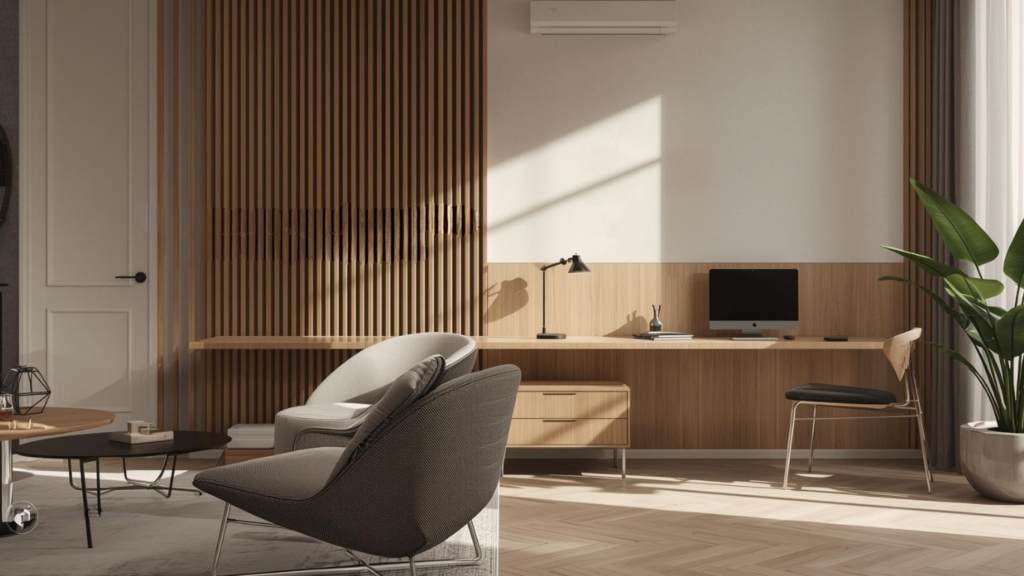
The living room is the heart of a home, serving as a space for relaxation, interaction, and everyday activities. Because of its central role, the living room must be carefully designed to balance comfort, functionality, and aesthetics. A custom living room interior allows homeowners to move beyond standard layouts and furniture, creating a space that truly reflects lifestyle, taste, and daily needs. Through custom design, every element is planned intentionally to enhance both usability and visual harmony.
Custom interiors transform the living room into a space that feels personal, organized, and timeless.
Understanding the Core Function of the Living Room
Before designing a custom living room interior, it is essential to understand how the space is used daily. Some living rooms function mainly as family gathering areas, while others are designed for entertaining guests or even working from home. These different uses influence layout decisions, furniture choices, and spatial priorities.
By clearly defining the main function of the living room, designers can avoid unnecessary elements and focus on solutions that truly support everyday activities. This functional clarity ensures the living room feels purposeful rather than overcrowded or underutilized.
Custom Layout Planning for Optimal Flow
Layout planning is one of the most critical aspects of a custom living room interior. A poorly planned layout can disrupt movement, block natural light, and make the room feel smaller than it is. Custom design allows furniture placement to be adjusted precisely according to room dimensions and circulation paths.
With proper layout planning, movement between seating areas, doors, and adjacent spaces becomes smooth and intuitive. This improves both comfort and spatial balance, making the living room feel more open and inviting.
Personalized Furniture Design for Maximum Comfort
Standard furniture often fails to meet the exact needs of a living room space. Custom furniture allows sofas, coffee tables, TV units, and shelving to be designed according to specific size, proportion, and usage requirements. This ensures that furniture fits perfectly without wasting space or overwhelming the room.
Personalized furniture also enhances comfort by considering seating depth, back support, and ergonomic height. As a result, the living room becomes a space that supports long periods of relaxation and social interaction.
Material Selection That Defines Character
Materials play a major role in shaping the atmosphere of a living room. Custom interiors provide flexibility to select materials that align with the desired mood, whether warm, modern, elegant, or minimal. Wood, fabric, stone, and modern finishes can be combined thoughtfully to create depth and texture.
Beyond aesthetics, material selection also affects durability and maintenance. Choosing the right materials ensures the living room remains visually appealing and functional for years to come.
Lighting Design for Mood and Function
Lighting is essential in creating a comfortable living room environment. Custom living room interiors use layered lighting strategies, combining ambient lighting for general illumination, accent lighting to highlight design features, and task lighting for specific activities. This approach allows the space to adapt to different moods throughout the day.
Well-designed lighting enhances visual comfort, reduces eye strain, and adds a sense of warmth. It also helps define zones within the living room without using physical barriers.
Integrated Storage for a Clean and Organized Space
Clutter can quickly reduce the comfort and appeal of a living room. Custom interior design integrates storage solutions such as built-in cabinets, concealed shelving, and multifunctional furniture. These solutions keep everyday items organized while maintaining a clean visual appearance.
Integrated storage helps the living room remain tidy without sacrificing style. This is especially important in modern homes where open layouts are common.
Balancing Aesthetics with Everyday Usability
A custom living room interior should look beautiful, but it must also support daily life. Designers carefully balance visual elements with practical considerations such as seating comfort, accessibility, and ease of movement. Furniture placement and material choices are adjusted to support both form and function.
This balance ensures the living room is not only visually impressive but also comfortable and easy to use on a daily basis.
Designing for Flexibility and Long-Term Use
Lifestyle needs can change over time, and a well-designed living room should be able to adapt. Custom interiors consider future flexibility by using timeless design elements and adaptable layouts. This allows the space to remain relevant even as family size, routines, or preferences evolve.
Flexible design adds long-term value and reduces the need for frequent renovations.
Creating a Living Room That Truly Feels Like Home
A custom living room interior goes beyond surface-level design. It creates a space that supports comfort, connection, and personal expression. Through thoughtful planning, tailored furniture, and cohesive design, the living room becomes a place where people genuinely enjoy spending time.
A well-designed custom living room is not just stylish—it is functional, welcoming, and deeply personal.