
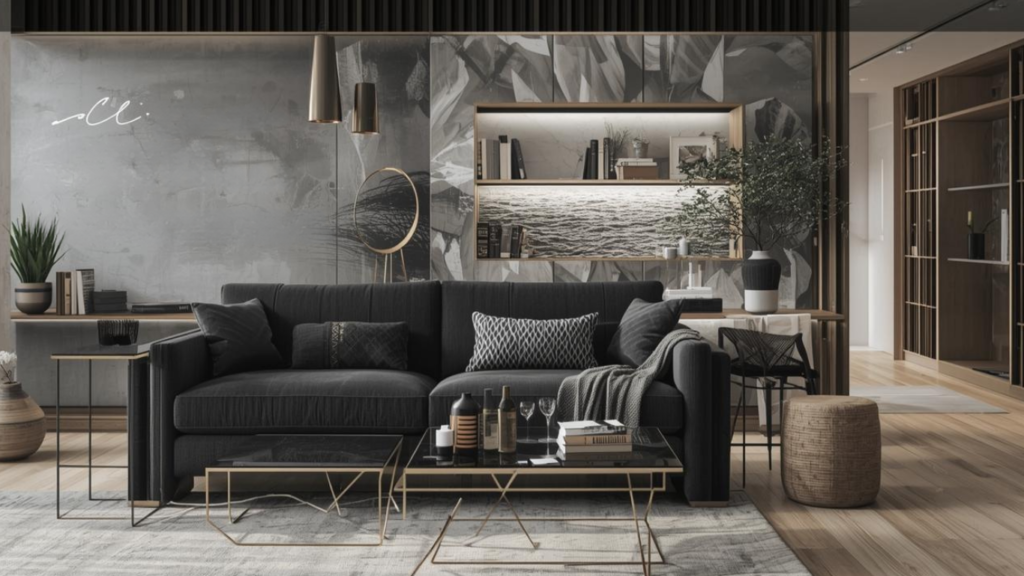
Designing a dining room in a limited area can be challenging, but with the right approach, small spaces can be both functional and visually appealing. Custom dining room interiors for small spaces focus on maximizing usability without sacrificing comfort or style. Through thoughtful planning and tailored solutions, even compact dining areas can feel open, organized, and inviting.
Custom design allows homeowners to make the most of every centimeter while maintaining a refined interior aesthetic.
Understanding the Limitations of Small Dining Areas
Small dining spaces often come with layout restrictions that standard furniture cannot accommodate effectively. Limited circulation space, awkward corners, and proximity to other rooms can make the area feel cramped if not properly designed. Custom interiors address these challenges by adapting furniture dimensions and layouts specifically to the available space.
By understanding the limitations early, designers can create solutions that feel intentional rather than constrained.
Smart Layout Planning for Compact Spaces
Effective layout planning is essential in small dining rooms. Custom designs prioritize clear circulation paths and efficient seating arrangements to avoid overcrowding. By carefully positioning furniture, the dining area can remain functional while still allowing comfortable movement.
A well-planned layout helps small dining rooms feel more open and balanced.
Custom Furniture for Perfect Proportions
Standard dining furniture is often too large for compact spaces. Custom dining tables and seating are built to precise dimensions, ensuring they fit comfortably within the room. This tailored approach prevents visual clutter and makes the space feel proportionate.
Properly scaled furniture is key to maintaining comfort in a small dining room.
Multifunctional and Space-Saving Solutions
Custom dining room interiors for small spaces often incorporate multifunctional furniture. Extendable tables, built-in benches with storage, or foldable elements provide flexibility without permanently occupying space. These solutions allow the dining area to adapt to different needs, such as daily meals or occasional gatherings.
Multifunctional design maximizes usability while keeping the space visually clean.
Material and Color Choices That Enhance Space
Material and color selection greatly influence how spacious a room feels. Light colors, natural textures, and reflective surfaces help create a brighter and more open atmosphere. Custom interiors ensure these elements are used consistently to avoid visual fragmentation.
Thoughtful material choices enhance both aesthetics and spatial perception.
Lighting Strategies for Small Dining Rooms
Proper lighting can dramatically improve the feel of a small dining space. Custom lighting solutions focus on soft, even illumination that avoids harsh shadows. Pendant lights with slim profiles or recessed lighting help maintain visual openness.
Well-designed lighting adds depth and warmth without overwhelming the space.
Seamless Integration with Surrounding Areas
In many homes and apartments, the dining room is part of an open-plan layout. Custom design ensures that the dining area integrates seamlessly with nearby spaces such as the kitchen or living room. Consistent materials and design language help maintain visual continuity.
This integration makes small dining areas feel like a natural part of the overall interior.
Creating Comfort in a Compact Dining Room
Comfort should never be compromised, even in small spaces. Custom dining room interiors ensure ergonomic seating, appropriate table height, and sufficient personal space. These details make the dining experience enjoyable despite limited room size.
Comfort-focused design encourages regular use of the dining area.
Maximizing Style and Function in Small Spaces
Understanding custom dining room interiors for small spaces allows homeowners to transform compact areas into efficient and stylish dining environments. With tailored layouts, smart furniture, and thoughtful details, small dining rooms can feel spacious and refined.
Custom design proves that limited space does not mean limited potential—it simply requires smarter solutions.